
Why Tenerife is Europe’s Best 2026 Road Trip Destination
Tenerife remains Europe's ultimate road trip destination in 2026 due to its diverse microclimates, dramatic volcanic landscapes, and exceptionally well-maintained road infrastructure. A Tenerife road trip offers seamless access to Teide National Park, prehistoric northern forests, and sun-drenched coastal routes, providing an unparalleled variety of experiences within a single island.
What makes a Tenerife road trip unique in 2026?
As we move into 2026, the appeal of a Tenerife road trip has only grown. While many European destinations have become overcrowded or difficult to navigate, Tenerife has invested heavily in sustainable tourism and infrastructure that favors the independent traveler. The island is often called the "Island of Eternal Spring" because its temperature remains pleasant throughout the year, making it a viable road trip destination in January just as much as in July.
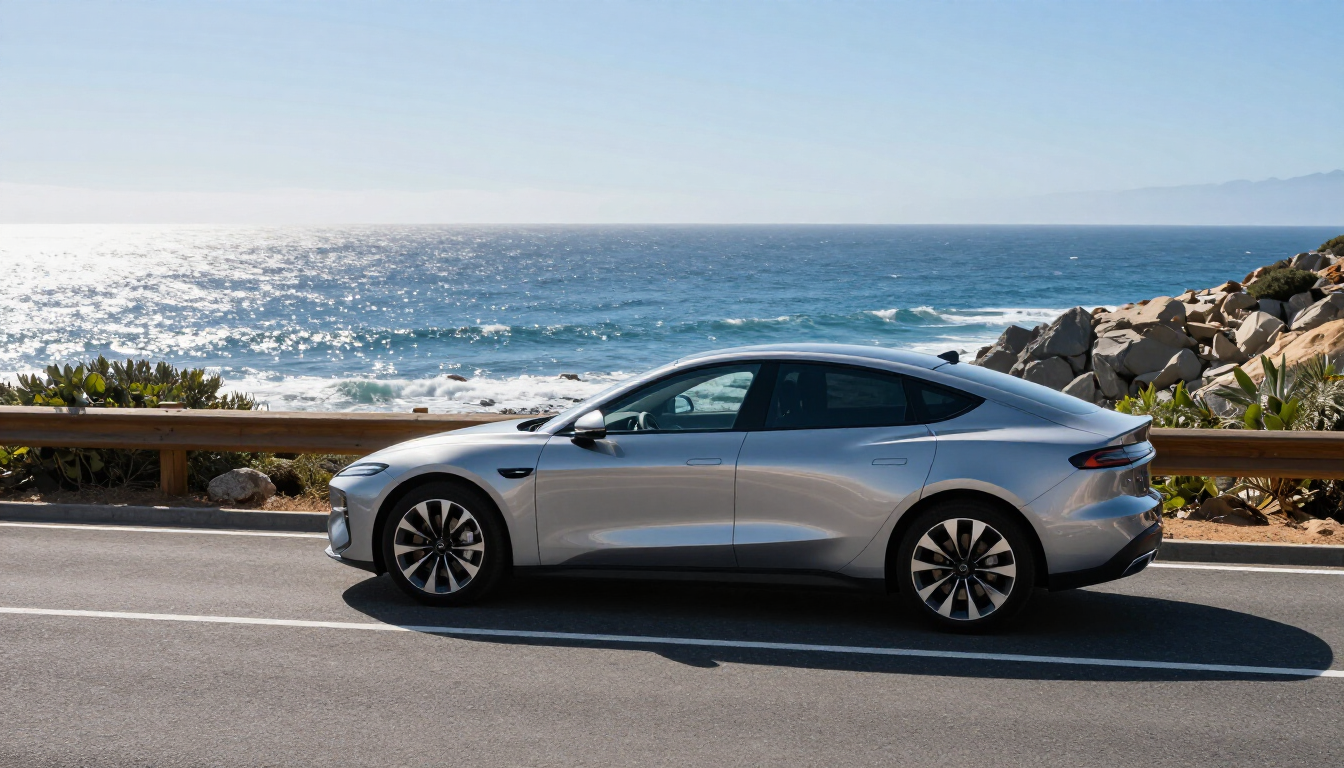
What truly sets this island apart is its microclimatic diversity. In a single morning, you can start your journey on a sunny beach in Los Cristianos, drive through a thick blanket of clouds in the Orotava Valley, and emerge into the bright, high-altitude sunshine of a volcanic crater. The roads themselves are a marvel of engineering, clinging to cliffsides and winding through ancient lava flows with precision. For those who have explored the Amalfi Coast , you will find the driving here equally breathtaking but often more spacious and less congested, especially in the off-peak seasons.
In 2026, the island has also introduced more electric vehicle charging points and eco-friendly rest stops, aligning with the global shift toward greener travel. Whether you are driving a compact fuel-efficient car or a rugged SUV, the island’s varied topography provides a satisfying challenge for drivers who enjoy winding mountain passes and long coastal stretches. It is this combination of accessibility, climate, and sheer natural beauty that secures its spot at the top of the leaderboard for European driving holidays.
Driving through Teide National Park: A Lunar Experience
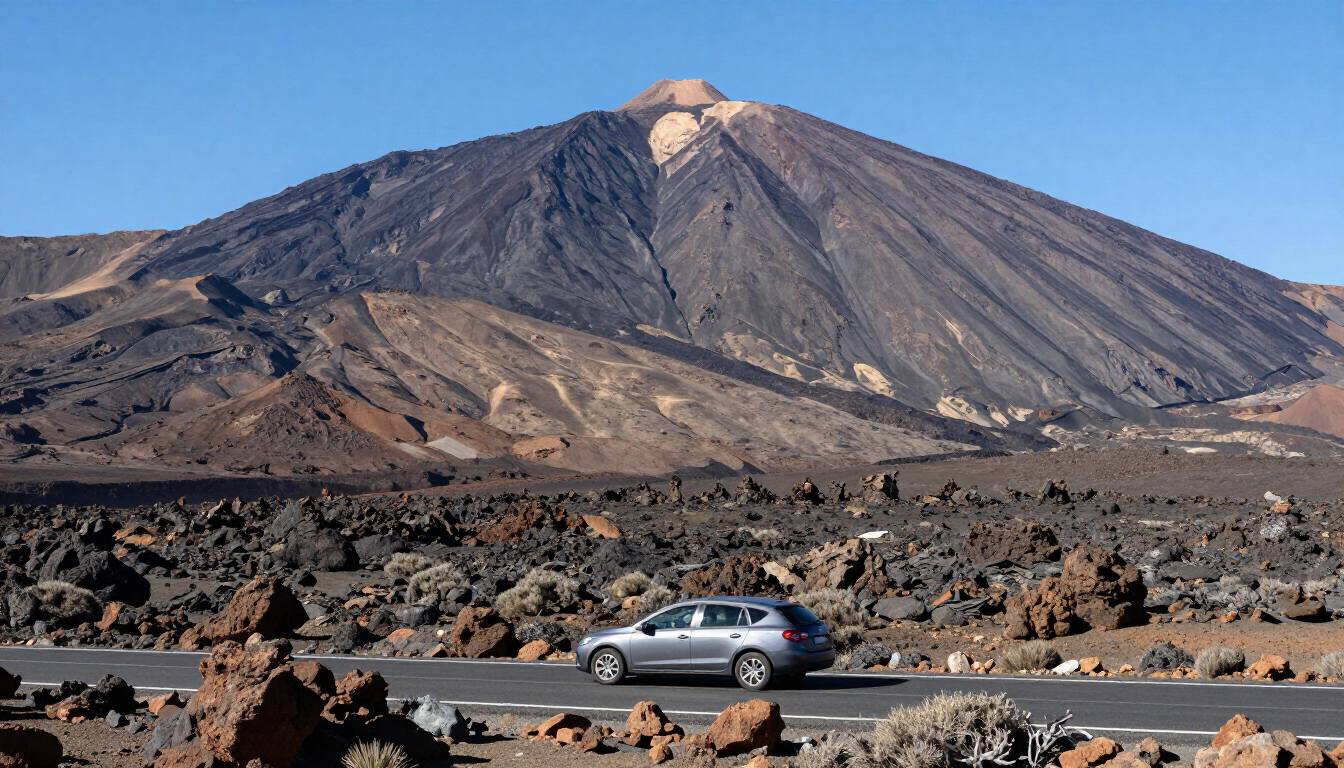
No Tenerife road trip is complete without the ascent to Mount Teide. At 3,715 meters, Teide is the highest peak in Spain and the centerpiece of a vast national park that feels more like Mars than Earth. The drive into the park, particularly via the TF-21 road from the south or the TF-24 from the north, is arguably the most scenic route in the Atlantic.
As you climb, the vegetation changes from subtropical gardens to dense Canary pine forests, and eventually to the stark, multi-colored rock formations of the Las Cañadas caldera. The air grows thinner and cooler, and the light takes on a clarity that has made this area a world-renowned site for astronomical observation. There are several key stops you must make along this route:
- Roques de García: Iconic rock formations that offer a perfect view of the Teide peak.
- Tabonal Negro: A stunning viewpoint showcasing dark obsidian lava flows against the red earth.
- Minas de San José: A flat, sandy area that has been used as a filming location for numerous sci-fi movies.
- El Portillo: The main visitor center where you can learn about the geological history of the volcano.
How do you plan the perfect Tenerife itinerary?
Planning a Tenerife road trip requires a balance between the popular tourist hubs and the secluded northern reaches. A great way to structure your trip is to dedicate at least five to seven days to allow for both driving and exploration. Starting from the south, where most international travelers arrive, you can loop the island in a clockwise or counter-clockwise direction, each offering a different perspective on the terrain.
For a comprehensive experience, consider this high-level route: start in the sunny south for a day of coastal relaxation, then head west toward the majestic cliffs of Los Gigantes. From there, climb the steep, hairpin turns to the hidden village of Masca. Continue north toward the historic town of Garachico before entering the lush, green landscapes of the Anaga peninsula. Finally, return via the eastern motorway, stopping at the capital, Santa Cruz de Tenerife, or the UNESCO-listed city of La Laguna. This itinerary ensures you see the volcanic desert, the tropical forests, and the colonial architecture that defines the island's culture.
When booking your vehicle through our Home Page , consider the size of the car based on your itinerary. While smaller cars are easier to park in historic towns, a slightly more powerful engine is beneficial for the long, steep climbs into the national park. The flexibility of having your own set of wheels means you aren't tied to bus schedules or expensive taxi fares, allowing you to stay late for the sunset at Teide or arrive early at a popular beach to beat the crowds.
Exploring the Prehistoric Beauty of Anaga Rural Park
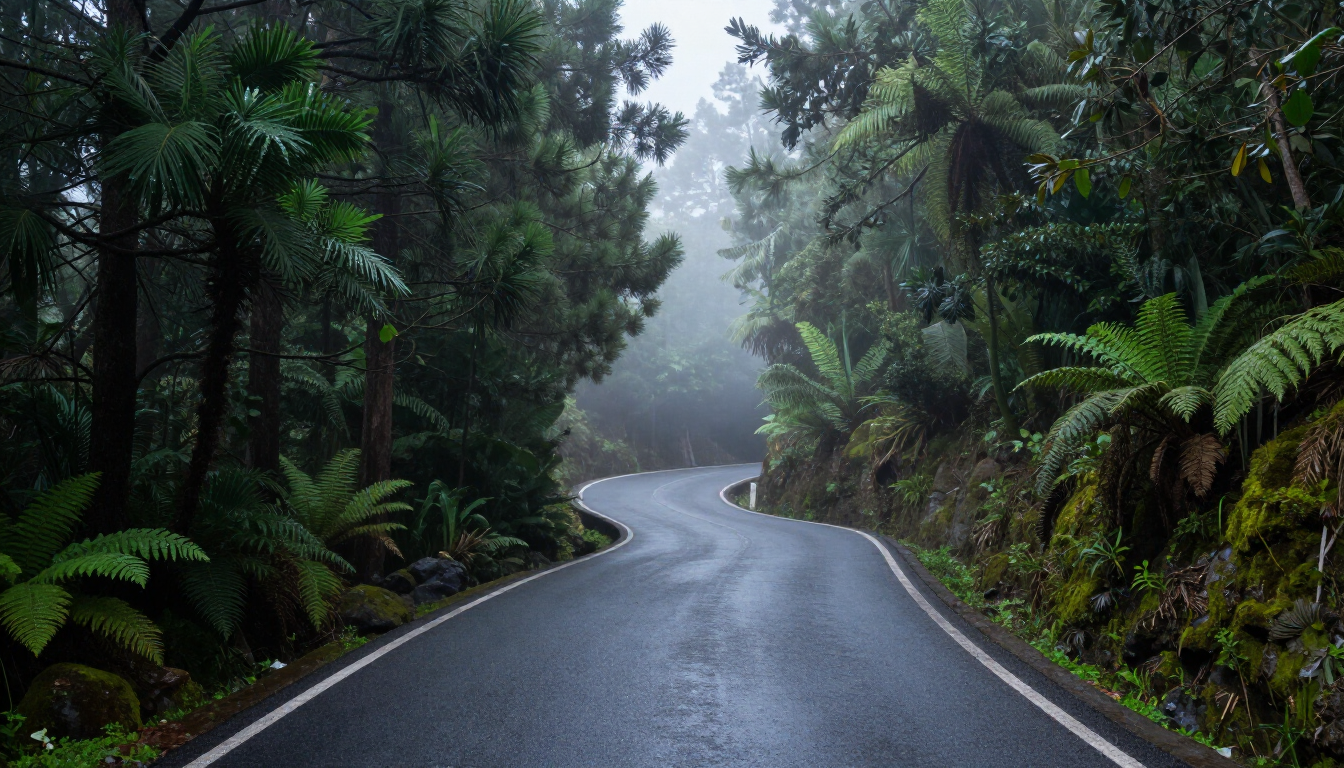
If the south of Tenerife is about sun and sea, the north—specifically the Anaga Rural Park—is about ancient mystery and greenery. This is a massive contrast to the rest of the island. Driving through Anaga feels like stepping back into the Cenozoic era. The park is home to one of the world's most important laurel forests, a type of humid subtropical forest that once covered much of the Mediterranean basin before the last ice age.
The roads here are narrower and more winding than the TF-21, often shrouded in a fine mist that nourishes the giant ferns and moss-covered trees. The "Sendero de los Sentidos" (Path of the Senses) is a popular stop where you can walk through tunnels of trees that arch over the road. The viewpoints, such as Mirador de Jardina and Mirador de Cruz del Carmen, offer sweeping views over the valley toward La Laguna and Mount Teide in the distance. This area is perfect for those who want to combine their road trip with hiking, as hundreds of trails branch off from the main road, leading to remote hamlets and hidden coves.
Is driving in Tenerife difficult for tourists?
One of the most common questions for those planning a Tenerife road trip is whether the driving conditions are intimidating. Generally, the answer is no, provided you are a confident driver who is comfortable with elevation changes. The island features two main motorways (the TF-1 and TF-5) that nearly circle the island, making travel between major towns very fast and straightforward. These roads are well-lit, clearly signposted, and maintained to a high standard.
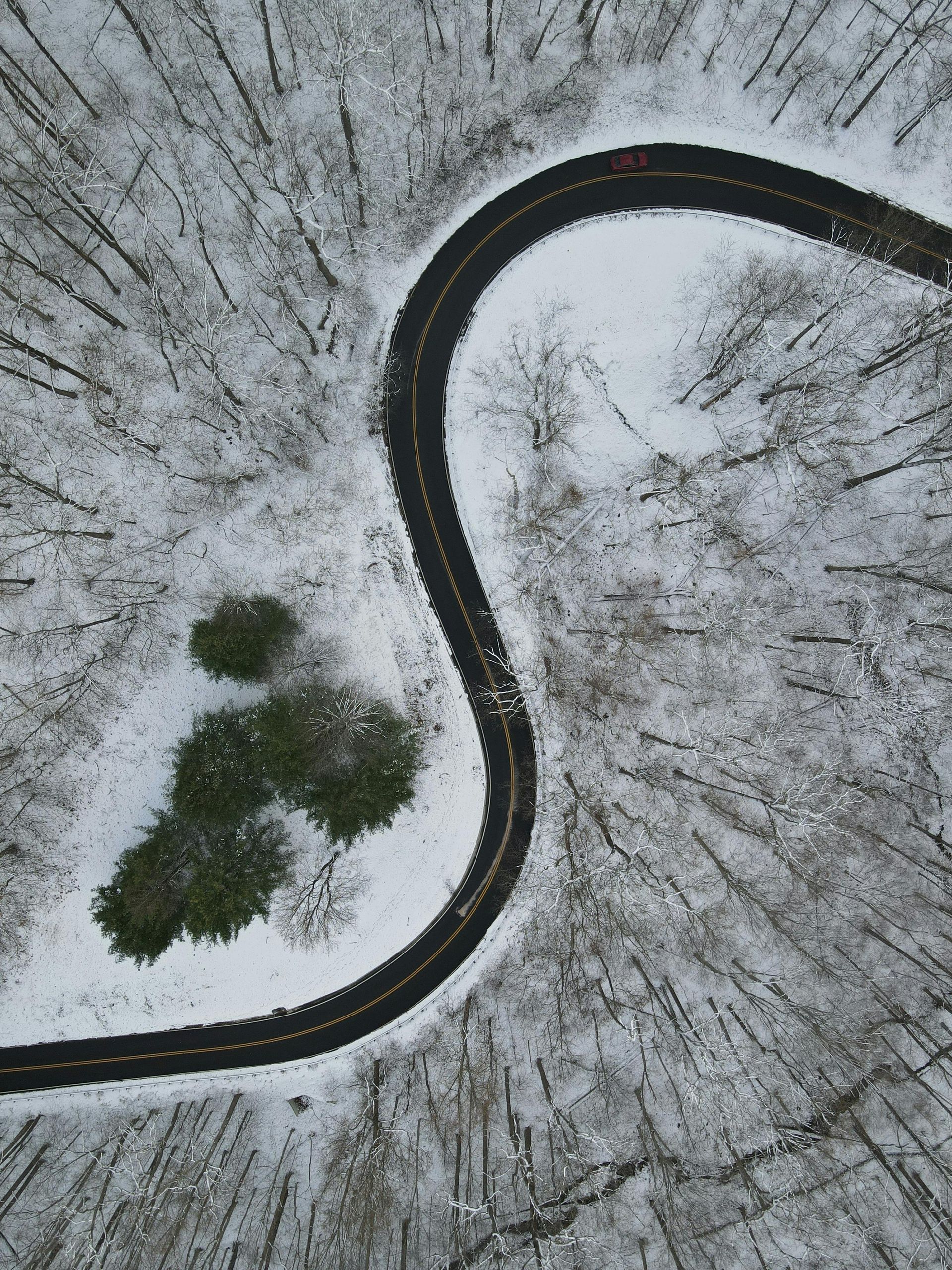
However, the mountain roads—such as the route to Masca or the deep interior of Anaga—can be challenging. These roads are often narrow, with sharp bends and significant drops on one side. While safety barriers are present, the sheer altitude can be nerve-wracking for some. In 2026, local authorities have implemented smart traffic management in some of the most narrow bottlenecks (like the Masca valley road) to ensure a smoother flow of vehicles.
Here are some quick facts to keep in mind for your drive:
- Right-hand side: In Tenerife, as in the rest of Spain, you drive on the right.
- Fueling up: Petrol stations are plentiful in the south and near the motorways, but sparse in the National Park and Anaga; always fill up before climbing.
- Speed limits: Motorway limits are 120km/h, while mountain roads are often restricted to 40km/h or 60km/h.
- Parking: Finding parking in cities like Puerto de la Cruz or Santa Cruz can be difficult; look for underground 'Parkings' (public car parks).
- Cyclists: Tenerife is a training ground for professional cyclists; always give them plenty of space when overtaking on mountain roads.
Why car hire is essential for Tenerife travelers
To truly experience the soul of Tenerife, car hire is not just an option—it is a necessity. Public transport on the island (the TITSA bus network) is excellent for commuting between major towns, but it cannot reach the quiet viewpoints, the trailheads for the best hikes, or the small traditional restaurants tucked away in the mountains. By choosing a vehicle from Go Save Car Hire, you gain the freedom to follow your own pace, which is the hallmark of any great holiday.
Moreover, car hire is surprisingly cost-effective in Tenerife. Because the island is a major hub for international car rental companies, competition keeps rates low and the quality of the fleet high. When you factor in the cost of airport transfers and the price of organized group tours, renting a car often pays for itself within just a few days. It also allows you to carry essential gear—hiking boots, snorkeling equipment, and picnic supplies—without having to lug them on and off public transport. If you have any questions about the best vehicle for your needs, you can always Contact Us for expert advice.
What are the best coastal stops for your road trip?
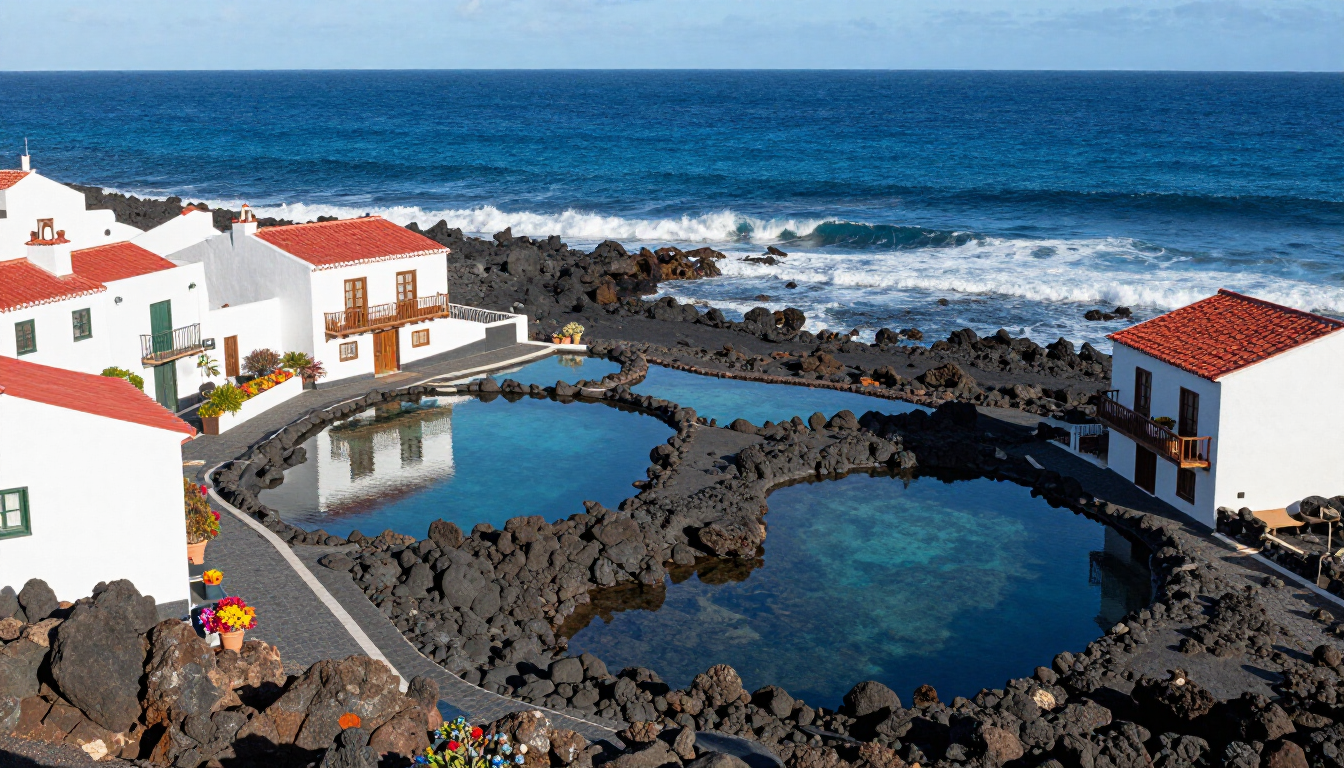
While the mountains are the stars of the show, the coastline of Tenerife offers a variety of stop-offs that cater to every taste. In the north, the town of Garachico is a must-visit. Once the island's main port before a volcanic eruption in 1706 partially buried it, the town now features beautiful natural swimming pools formed by solidified lava. It is the perfect place to cool off after a morning of driving.
On the western edge, the cliffs of Los Gigantes (The Giants) rise 800 meters straight out of the Atlantic Ocean. Driving into the town offers a perspective of their sheer scale that a boat trip alone cannot provide. For a more historic feel, Puerto de la Cruz in the Orotava Valley combines traditional Canarian architecture with the famous Martianez Pools, a complex of salt-water lakes designed by the artist César Manrique. Each of these stops provides a perfect opportunity to sample the local cuisine, such as "papas arrugadas" (wrinkled potatoes) with spicy mojo sauce, which is the fuel of choice for any Tenerife road trip.
Top Tips for Driving in Tenerife
Before you set off, keep these final tips in mind to ensure your journey is as smooth as the asphalt on the TF-1. First, always carry a physical map or download offline Google Maps, as GPS signal can be patchy in the deep ravines of the north. Second, pay attention to the weather; it can be 25°C on the coast and 5°C at the top of the volcano, so keep a jacket in the boot of your car.
Finally, respect the environment. Tenerife’s ecosystems are fragile. Stay on marked roads and parking areas, and never leave litter behind. By traveling responsibly, you help ensure that Tenerife remains Europe's ultimate road trip destination for decades to come. For more travel inspiration and tips on other destinations, feel free to browse our Blog section.
Conclusion: Your 2026 Tenerife Adventure Awaits
A Tenerife road trip is the definitive way to explore the island’s dramatic contrast between volcanic deserts and prehistoric forests in 2026. By choosing car hire, you unlock the flexibility to visit iconic landmarks like Mount Teide and hidden gems like the Anaga Rural Park on your own schedule. This island offers a rare combination of high-quality infrastructure and raw, untamed nature that caters to every type of traveler. To summarize your next steps:
- Book your vehicle early to secure the best rates for 2026 travel.
- Plan a varied itinerary that covers both the sunny south and the lush north.
- Prepare for altitude changes by carrying layers of clothing and plenty of water.
- Prioritize safety on mountain roads and respect the local driving regulations.
Whether you are a solo adventurer or traveling with family, the roads of Tenerife are ready to lead you to your next great story. Start your journey today and discover why this island remains the crown jewel of European driving destinations.